Energy Balance and Body Composition Dynamics
A comprehensive examination of the physiological mechanisms governing body weight and composition changes.
Foundational Concepts
Energy balance describes the relationship between energy intake and energy expenditure. Body weight changes result from cumulative energy surpluses or deficits over time. However, the regulation of body weight involves complex neuroendocrine systems, not merely mathematical equations.
Total Daily Energy Expenditure
Total daily energy expenditure (TDEE) comprises three primary components: basal metabolic rate, thermic effect of food, and activity-related energy expenditure. Each component varies across individuals based on body composition, genetics, and behavioral factors.
Components of TDEE:
- Basal metabolic rate: energy for essential physiological functions
- Thermic effect of food: energy required for digestion and nutrient processing
- Activity energy expenditure: energy from structured and incidental movement
Metabolic Adaptation
Adaptive Thermogenesis and Energy Regulation
The body exhibits complex regulatory mechanisms that adjust metabolic rate in response to energy availability. During periods of reduced energy intake, metabolic rate may decrease to preserve energy. Conversely, overfeeding may increase metabolic rate modestly. These adaptations represent biological responses to energy perturbation.
Key mechanisms:
- Hormonal changes affecting metabolic rate
- Alterations in physical activity levels
- Changes in non-exercise activity thermogenesis
- Digestive efficiency variations

Body Composition and Weight Distribution
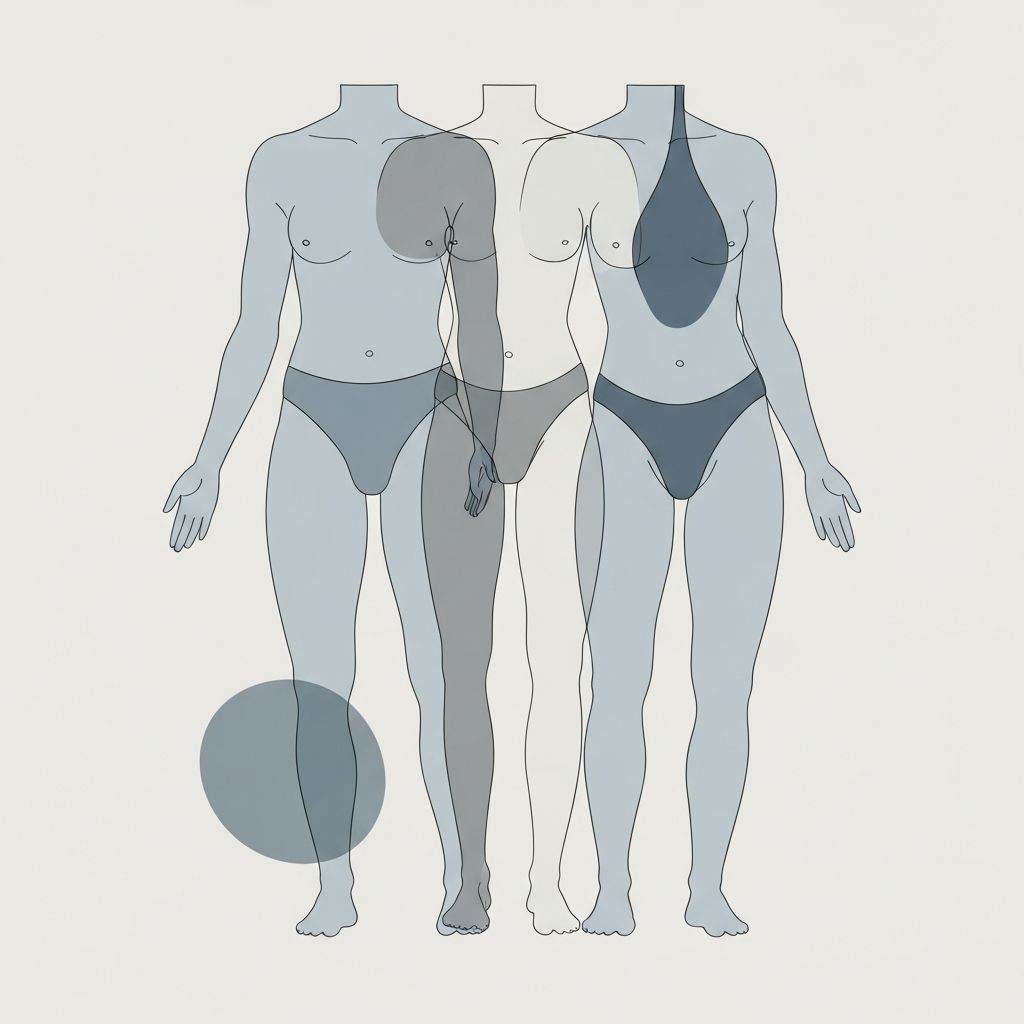
Body weight comprises lean tissue (muscle, bone, organs), fat tissue, and water. Changes in body weight reflect alterations in these components. The health implications of weight change depend partly on compositional changes and metabolic markers, not weight alone.
Lean Tissue Preservation
During energy restriction, maintaining lean tissue through adequate protein intake and resistance exercise helps preserve metabolic function and functional capacity.
Fat Distribution Patterns
The location of body fat storage influences metabolic function and health outcomes. Central adiposity patterns show different associations with metabolic markers than peripheral fat deposition.
Individual Variation
Genetic and hormonal factors influence where individuals preferentially store or mobilize body fat, contributing to individual differences in body composition changes.
Genetic and Biological Influences
Significant individual variation exists in the degree to which body weight changes occur in response to identical caloric alterations. Genetic factors, early-life experiences, and biological characteristics contribute to this variation.
Understanding Individual Differences
The "set point" hypothesis and related concepts propose that individuals have biological preferences for certain weight ranges. Modern understanding suggests that this regulation is complex and modifiable through various factors including environment, behavior, and biological history. However, the magnitude of individual variation in responsiveness remains substantial.
Beyond Simple Weight-Centric Models
Research increasingly recognizes that weight alone provides limited information about health status. Metabolic markers (glucose control, lipid profiles, inflammatory indicators), physical fitness, psychological wellbeing, and functional capacity offer additional insights into health. Some individuals at higher weights demonstrate favorable metabolic profiles, while some at lower weights show metabolic dysfunction.